
Get a Nurse Job in Germany as an Indian in 2026
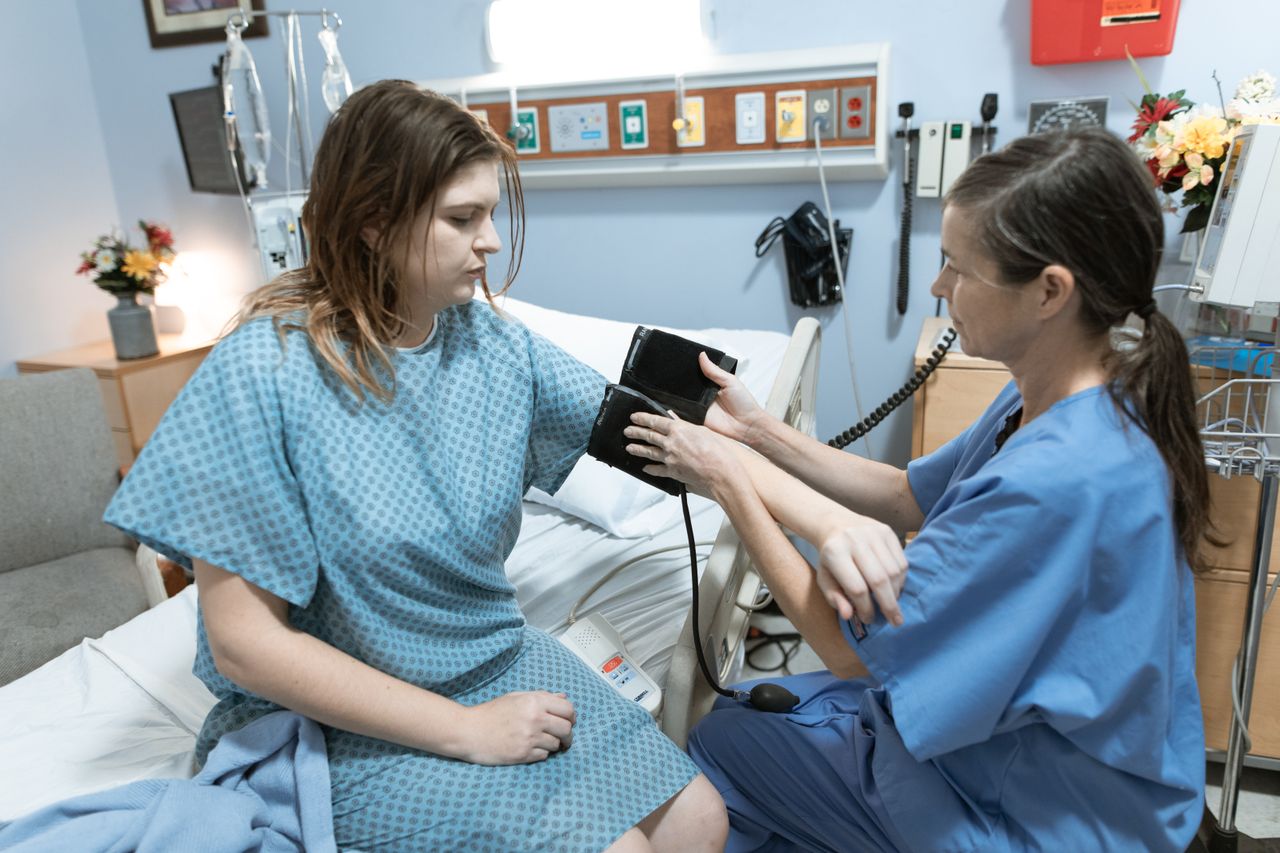

How to Get a Nurse Job in Germany as an Indian in 2026: Step-by-Step Guide
Want to work as a nurse in Germany? Learn how Indian nurses can find nursing jobs in Germany in 2026, including salary, German language, qualification recognition, best cities, visa and application process.
Germany is becoming a popular destination for Indian nurses looking for international career opportunities. The country has a strong healthcare system and a continued need for qualified nursing professionals. However, getting a nurse job in Germany as an Indian involves more than finding a vacancy. Nursing is a regulated profession, so foreign-trained nurses must meet professional recognition, language and licensing requirements.
The process may seem complicated at first. But with the right preparation, Indian nurses can work through each stage step by step. This guide explains how to get a nurse job in Germany from India, what qualifications you need, how much you can earn and which cities and states may offer good opportunities.
Why Work as a Nurse in Germany in 2026?
Germany has a strong demand for healthcare and nursing professionals. The official Make it in Germany portal reports that around 1.8 million people work in nursing jobs covered by compulsory social insurance, while thousands of nursing positions remain vacant. Foreign nationals already make up a significant part of the nursing workforce.
This creates opportunities for qualified professionals from countries such as India. For Indian nurses, Germany can offer:
- Opportunities in hospitals and healthcare facilities
- Jobs in elderly and long-term care
- A structured qualification recognition process
- Opportunities for long-term professional growth
- A pathway to live and work in Germany after meeting the requirements
However, demand does not mean every applicant will automatically find employment. Your qualifications, German language skills and recognition status can significantly affect your chances.
How to Get a Nurse Job in Germany as an Indian
The Germany nurse job process for Indians involves several important stages.
Nursing education → German language → Document preparation → Qualification recognition → Additional training if required → Job search → Job offer → Professional authorisation → Visa or residence permit → Employment in Germany
The exact route depends on your qualifications and recognition outcome. Some nurses may need additional training before they can receive full recognition. The table below gives you a quick overview
| Step | What You Need to Do |
|---|---|
| 1 | Check your nursing qualification and experience |
| 2 | Learn German and work towards B2 |
| 3 | Prepare academic and professional documents |
| 4 | Apply for nursing qualification recognition |
| 5 | Complete adaptation training or examination if required |
| 6 | Search for suitable nursing jobs |
| 7 | Prepare your CV and attend interviews |
| 8 | Obtain professional authorisation |
| 9 | Apply for the appropriate German work visa or residence permit |
| 10 | Travel to Germany and start your nursing career |
Step 1: Check Your Nursing Qualification
The first step in understanding how Indian nurses can work in Germany is checking whether your nursing qualification can be recognised. Nursing is a regulated profession in Germany. Foreign-trained nurses generally need recognition of their professional qualification and authorisation to practise.
Your education and training may be compared with the German reference qualification. You should prepare documents such as:
- Nursing qualification certificates
- Academic transcripts and mark sheets
- Work experience certificates
- Professional registration documents
- Passport and identity documents
- German language certificate
- Medical fitness documents
- Police clearance or proof of good conduct
The exact documents can depend on your individual case and the authority handling your application.
Step 2: Learn German Before Applying for Jobs
For professional recognition, nursing professionals generally need German language skills at B2 level under the Common European Framework of Reference for Languages (CEFR). A typical learning journey may look like this:
| Level | Main Focus |
|---|---|
| A1–A2 | Basic German |
| B1 | Everyday communication |
| B2 | Professional communication |
| Nursing German | Healthcare vocabulary and workplace language |
Start learning German as early as possible. Reaching B2 can take time, so it is better to begin before completing all the other steps.
Step 3: Get Your Nursing Qualification Recognised
Germany nursing qualification recognition for Indian nurses is a crucial part of the process. Since nursing is regulated, overseas nurses generally need their qualifications assessed by the relevant authority in Germany. The application is usually handled by the competent authority in the German federal state where you plan to work.
The authority compares your training with the relevant German professional qualification. There are two possible outcomes:
Your Qualification Is Considered Equivalent
If your qualification is considered equivalent, you can move towards obtaining the required professional authorisation.
Differences Are Found
If significant differences are identified, you may need to complete an adaptation programme, additional training or a knowledge examination. The official German government portal states that the recognition assessment generally takes around three to four months after complete documentation has been submitted. Individual cases may take longer.
Step 4: Complete Adaptation Training if Required
Not every Indian nurse receives full recognition immediately. If the authorities identify differences between your training and the German reference qualification, you may need to complete additional requirements.
These may include:
- An adaptation programme
- Additional professional training
- A knowledge examination
- Other compensation measures
Your recognition decision will explain what you need to complete. Receiving partial recognition does not mean your Germany plans are over. It simply means you have additional steps to complete before receiving full professional recognition.
Step 5: Find Nursing Jobs in Germany
You can explore opportunities through:
- German healthcare employers
- Hospitals
- Nursing homes
- Elderly care facilities
- Rehabilitation centres
- Official German job portals
- Reputable international recruitment programmes
Always read the job requirements carefully. Some employers may prefer candidates with completed recognition, while others may consider international nurses who are still going through the process.
Nurse Salary in Germany for Indian Nurses in 2026
Your earnings can vary depending on:
- Professional experience
- Qualification and recognition status
- Employer
- Federal state
- Type of healthcare facility
- Collective agreement or salary structure
- Shift work and additional allowances
According to official German government information, nursing professionals can expect a gross monthly salary of around €4,000 or more after recognition, depending on the role and circumstances. Nurses working nights, weekends or holidays may also receive additional allowances, depending on their employment contract.
It is important to remember that gross salary is not the same as take-home salary. Taxes and social security contributions are deducted from gross earnings.
Indicative Nursing Salary Overview
| Career Stage | Indicative Gross Monthly Salary |
|---|---|
| Newly recognised nurse | Around €3,500–€4,000+ |
| Experienced nurse | Around €4,000–€5,000+ |
| Specialist or senior roles | Can be higher depending on experience and employer |
| Additional shifts | Possible extra allowances |
Salary figures are indicative and can vary by employer, location, collective agreement, experience and shift allowances. Always verify the current salary offered in your employment contract.
Which German State Is Best for Nursing Jobs?
However, some states have large healthcare systems and major cities with hospitals, elderly care facilities and other healthcare employers.
North Rhine-Westphalia
North Rhine-Westphalia is one of Germany’s most populated states. Cities such as Cologne, Düsseldorf, Dortmund and Essen have large healthcare networks. This can make the state an attractive option for nurses searching for employment opportunities and urban living.
Bavaria
Bavaria is home to major cities such as Munich and Nuremberg. It has a large healthcare sector and can offer opportunities for qualified nursing professionals. The main challenge is the relatively high cost of living in cities such as Munich. Nurses should compare salary packages with housing expenses before accepting an offer.
Baden-Württemberg
Cities including Stuttgart, Mannheim and Karlsruhe are located in Baden-Württemberg.
The state has a strong economy and healthcare infrastructure. However, living costs can vary significantly between cities.
Hesse
Hesse is another state worth considering. Frankfurt is an important international city with a large metropolitan healthcare network. Nurses may find opportunities across hospitals, care facilities and other healthcare organisations in the wider region.
Berlin
Berlin is Germany’s capital and has several large hospitals and healthcare institutions. The city can be attractive to international professionals because of its multicultural environment. However, competition for housing can be high.
Lower Saxony
Lower Saxony includes cities such as Hanover and has opportunities across hospitals, care homes and regional healthcare facilities. For some international nurses, smaller cities and towns may offer a more affordable alternative to Germany’s largest metropolitan areas.
Best Cities in Germany for Nursing Jobs
If you are looking for nursing jobs in Germany for Indians, consider both major cities and smaller regional locations.
| Career Stage | Career Stage | Indicative Gross Monthly Salary |
|---|---|---|
| Munich | Large healthcare sector and strong economy | High housing costs |
| Berlin | Major hospitals and international environment | Competitive housing market |
| Frankfurt | Large metropolitan healthcare network | Higher living costs |
| Cologne | Major urban healthcare system | Housing demand |
| Düsseldorf | Strong regional healthcare network | Cost of living varies |
| Stuttgart | Healthcare opportunities in a prosperous region | Relatively expensive |
| Hamburg | Large city with major healthcare facilities | Housing costs |
| Hanover | Healthcare opportunities with potentially lower costs than major hubs | Smaller international community than Berlin or Munich |
Should You Choose a Big City or a Smaller Town?
A big city may offer more international communities and a wider range of employers. However, rent can be expensive.
Smaller cities and towns may have lower living costs and strong demand for healthcare workers. They may also provide a more affordable start to your career in Germany. Tip: Do not limit your job search to Munich, Berlin or Frankfurt. Expanding your search to smaller cities and regional areas may give you more opportunities.
Step 6: Prepare a Strong German-Style Nursing CV
Your CV is one of the most important parts of your job application. Clearly mention:
- Nursing qualification
- Professional experience
- Nursing registration
- Clinical departments
- Patient care experience
- Specialised skills
- German language level
- Additional certifications
- Recognition status
Do not simply write “worked as a nurse.”
Instead, explain your responsibilities. Mention the departments you worked in, the type of patients you treated and the clinical skills you used. You should also prepare a professional cover letter for employers who request one. Explain why you want to work in Germany and how your experience matches the position.
Step 7: Attend Interviews With German Employers
After submitting applications, you may be invited for an interview. Employers may ask about:
- Your nursing experience
- Your clinical skills
- Your preferred department
- Your German language ability
- Your understanding of patient care
- Your experience working in teams
- Your recognition status
Prepare to explain your professional experience clearly. Practising nursing-related German vocabulary can also help you communicate more confidently during interviews.
Step 8: Understand Professional Authorisation
The German government states that applicants generally need recognised qualifications, German language proficiency, medical fitness and personal suitability or trustworthiness.
Therefore, remember that these are connected but separate stages:
Qualification recognition → Professional authorisation → Employment → Immigration permission. Understanding this distinction can help you avoid confusion during your application.
Step 9: Apply for a Germany Work Visa
Indian citizens generally need the appropriate visa or residence permit to work in Germany. The correct immigration route depends on your situation. If your nursing qualification has been fully recognised, you have the necessary professional authorisation and a qualified nursing job offer, you may be eligible for the work route for qualified professionals. The official German government information identifies this pathway under Section 18a of the Residence Act.
If your qualification is only partially recognised and you need additional training or adaptation measures, a residence route for recognition of foreign professional qualifications may apply. The EU Blue Card is not the standard immigration route for nursing professionals, according to official German information.
Always check the latest visa requirements before applying, as individual circumstances can affect your eligibility.
Step 10: Move to Germany and Begin Your Nursing Career
After receiving your visa or residence permission, you can prepare for your move. Before travelling, organise:
- Employment documents
- Recognition decision
- Professional authorisation
- Visa documents
- Accommodation
- Health insurance
- Financial arrangements
- Travel documents
After arriving, you may need to complete local registration and other administrative procedures. The first few months may involve adjusting to Germany’s healthcare system, workplace culture and language.
Keep improving your German even after you arrive. Strong communication skills can make your professional and personal transition much easier.
How Long Does It Take to Get a Nursing Job in Germany From India?
There is no fixed timeline for every applicant. The overall process depends on:
- Your current German language level
- Time required to reach B2
- Completeness of your documents
- Recognition assessment
- Additional training requirements
- Job search
- Employer selection
- Visa processing
The recognition process itself generally takes around three to four months after complete documentation is submitted. However, the complete journey from India to employment may take longer. The best approach is to work on multiple stages at the same time.
For example, you can learn German while preparing your documents and researching potential employers.
How to Choose the Best Course in Canada for Your Career
Common Mistakes Indian Nurses Should Avoid
Waiting to Start German
Do not postpone language learning. Reaching B2 can take considerable time.
Ignoring Recognition
Always understand how your Indian nursing qualification will be assessed before making relocation plans.
Using a Generic CV
Customise your CV for nursing roles and clearly describe your clinical experience.
Applying Without Checking Requirements
Read each vacancy carefully. Requirements can differ between employers.
Trusting Unverified Agents
Be careful with recruiters who promise guaranteed jobs or visas. Verify the employer and recruitment agency before paying money.
Confusing Recognition With a Visa
Professional recognition and immigration permission are different processes. You may need to complete both.
How to Apply for an Austrian Work Visa from India?
To apply for an Austria work visa for Indians, complete the steps below:
- Step 1
Obtain a confirmed work contract and approved contract of employment from an Austrian employer that meets the category-based income criterion.
- Step 2: Gather Supporting Documents
The employer and employee prepare documentation proving:
- Employment history
- Corporate relationship
- Active business operations
- Financial stability
- Job duties
- Specialized expertise
- Step 2
Determine your points count if applying under the Red-White-Red Card category, or check your EU Blue Card wage eligibility.
- Step 3
Recognize your educational and professional certifications, and obtain German or English language certification (ÖSD, Goethe-Institut, TELC, or ÖIF in German).
- Step 4
Apply for a police clearance document and get verified translations of any non-German documents.
- Step 5
Submit your request to the Austrian embassy or consulate in India, together with the required documentation.
- Step 6
The application is transmitted to the AMS, which checks your points, income, and administers the labour market exam.
- Step 7
Once accepted, obtain a Category D entry visa, fly to Austria, and register to acquire your physical Red-White-Red Card or EU Blue Card.
Common Areas of Experience
- Mine planning and operations
- Underground mining projects
- Open-pit mining operations
- Drilling and blasting management
- Geotechnical engineering
- Safety and compliance management
- Production optimization
Many employers prefer candidates with at least two to three years of post-graduate engineering experience in mining operations.
Conclusion: Is Germany a Good Option for Indian Nurses?
Frequently Asked Questions
Immigration Consultation
Trusted by 50,000 Satisfied Client
Free Immigration Assessment
Trusted by 50,000 Satisfied Client
Check Your Eligibility in 5 Minutes
Trusted by 50,000 Satisfied Client
Get Free Consultation
Trusted by 50,000 Satisfied Client
Get Free Consultation
Trusted by 50,000 Satisfied Client
Get Free Consultation
Trusted by 50,000 Satisfied Client
Check Your Eligibility in 5 Minutes
Trusted by 50,000 Satisfied Client
Immigration Consultation
Trusted by 50,000 Satisfied Client
Get Free Consultation
Trusted by 50,000 Satisfied Client

